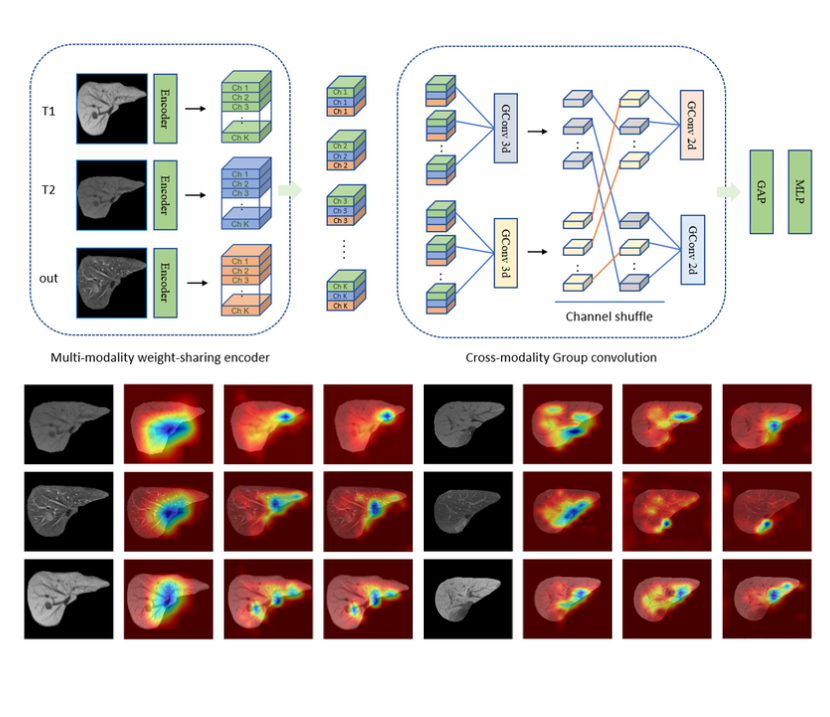
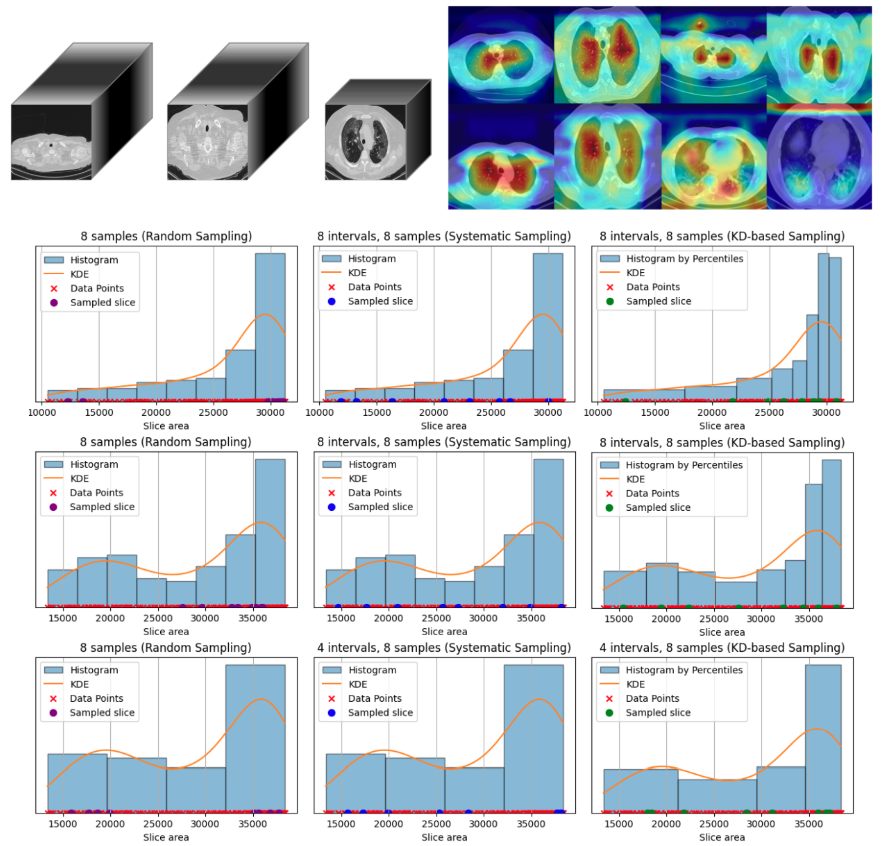
Self-supervised contrastive learning has achieved promising results in computer vision, and recently it also received attention in the medical domain. In practice, medical data is hard to collect and even harder to annotate, but leveraging multi-modality medical images to make up for small datasets has proved to be helpful. In this work, we focus on mining multi-modality Magnetic Resonance (MR) images to learn multi-modality contrastive representations. We first present multi-modality data augmentation (MDA) to adapt contrastive learning to multi-modality learning. Then, the proposed cross-modality group convolution (CGC) is used for multi-modality features in the downstream fine-tune task. Specifically, in the pre-training stage, considering different behaviors from each MRI modality with the same anatomic structure, yet without designing a handcrafted pretext task, we select two augmented MR images from a patient as a positive pair, and then directly maximize the similarity between positive pairs using Simple Siamese networks. To further exploit multi-modality representation, we combine 3D and 2D group convolution with a channel shuffle operation to efficiently incorporate different modalities of image features. We evaluate our proposed methods on liver MR images collected from a well-known hospital in Taiwan. Experiments show our framework has significantly improved from previous methods.
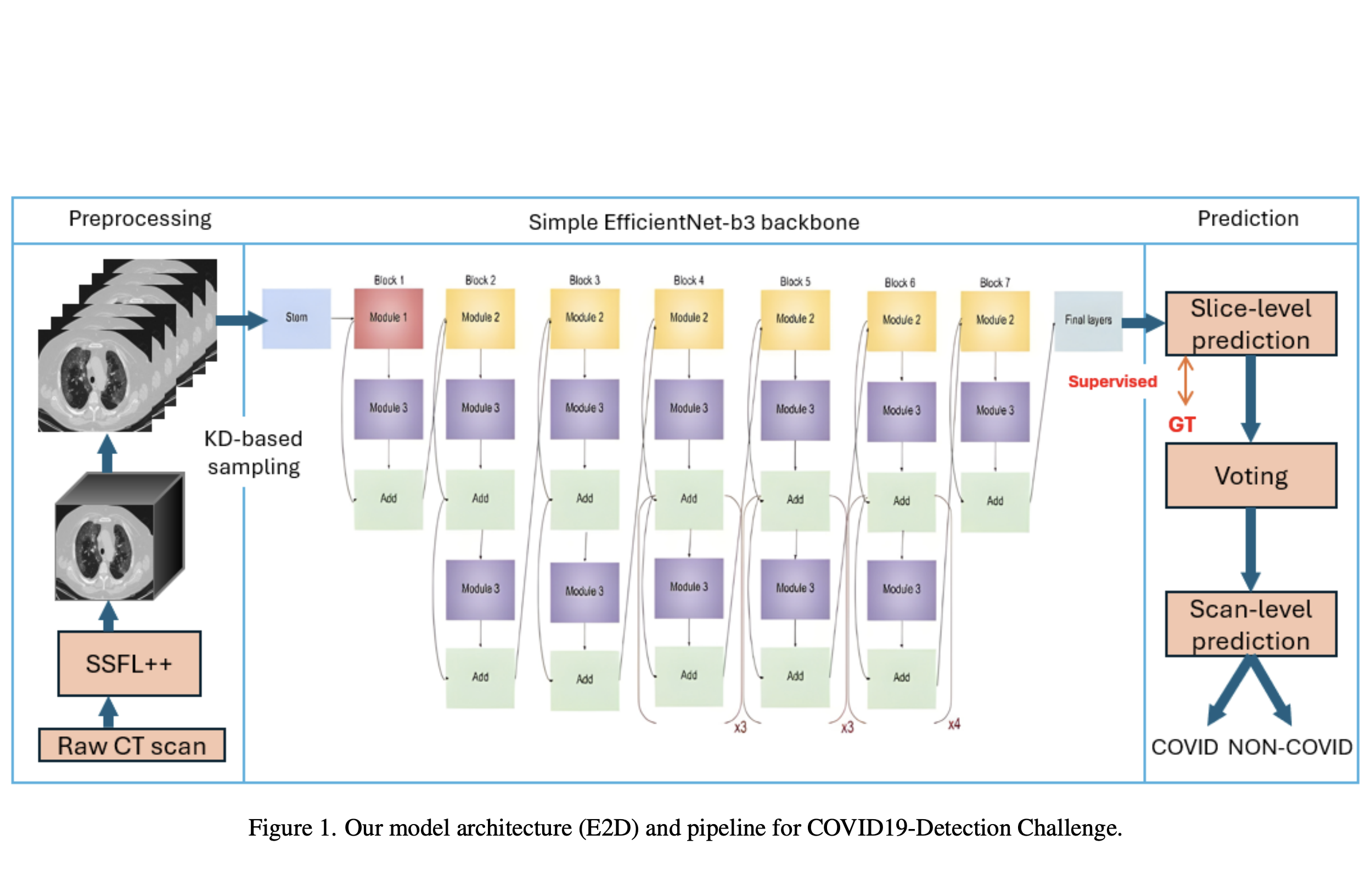
Simple 2D Convolutional Neural Network-based Approach for COVID-19 Detection
Chih-Chung Hsu , Chia-Ming Lee , Yang Fan Chiang , Yi-Shiuan Chou , Chih-Yu Jiang , and 2 more authors
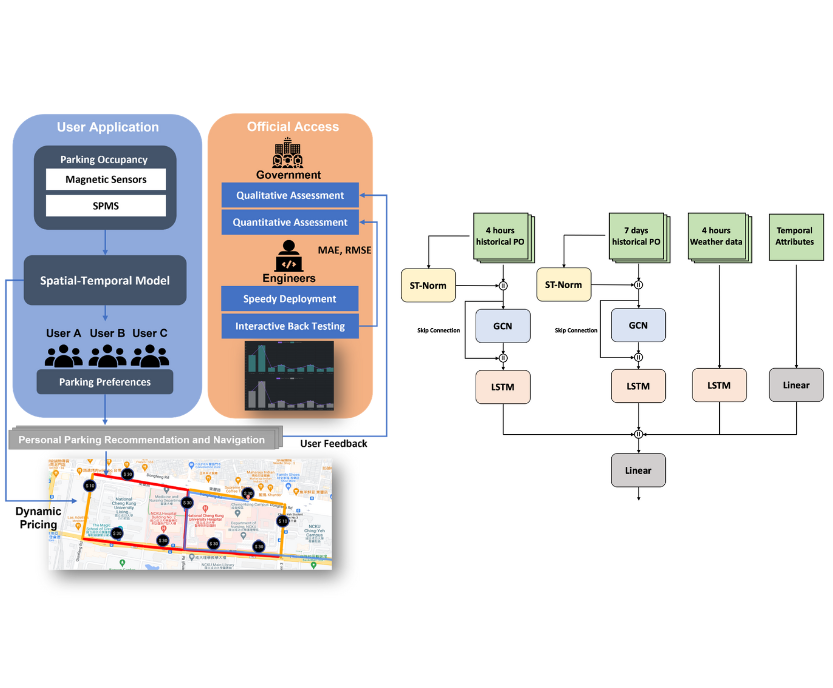
Parking behaviors near popular destinations often exhibit a preference for proximity, resulting in poor habits, limited parking availability, and a range of consequential issues such as traffic chaos, economic challenges due to congestion, and imbalanced parking utilization. Taiwan has also faced escalating challenges in this regard. To effectively address these issues, the Government of Taiwan has initiated the Smart City program, encompassing various initiatives to enhance urban functionality. One notable solution implemented under this program is the Smart Parking Meter System (SPMS), designed to enhance the overall parking experience. The SPMS incorporates intelligent billing and secure parking data transmission, ensuring a safer and improved parking environment. In this paper, we propose ParkFlow, a comprehensive software-based solution that seamlessly integrates with smart parking hardware, presenting a holistic approach to tackling these challenges. ParkFlow intelligently disperses parking shortages in highly frequented areas and addresses the problem from multiple perspectives, including user, engineering, and government scenarios. By exploring and addressing these scenarios, we aim to provide valuable insights and inspiration to regions worldwide grappling with similar parking-related difficulties. Based on historical data analysis, the implementation of ParkFlow in resolving the parking imbalance problem is anticipated to lead to a significant increase of up to 10% to 20% in available parking hours in popular areas of Tainan, Taiwan. ParkFlow is in the process of being integrated into the Tainan City Government’s Parking application, indicating its potential to address real-world parking challenges.